
Brussels sprouts have come a long way from being that vegetable kids tried to sneak under the table. Today, these little green gems are having their moment—and for good reason!
Nutty, slightly sweet, crisp when roasted, and surprisingly delicious when shaved into a salad, Brussels sprouts are one of those vegetables that can completely change depending on how you cook them.
And yes, they really do come from Brussels, Belgium!
A Little Brussels Sprouts History
Brussels sprouts belong to the same family as cabbage, broccoli, cauliflower, and kale. They grow in a pretty amazing way: instead of forming one large head, dozens of tiny cabbage-like sprouts grow along a tall, sturdy stalk.
The vegetable we recognize today was cultivated in what is now Belgium centuries ago, with written references appearing by the late 1500s. From Belgium, Brussels sprouts spread throughout Europe and eventually made their way to North America.
They also became especially popular in cooler climates because Brussels sprouts actually like chilly weather. In fact, a light frost can help bring out their natural sweetness.
So if you see Brussels sprouts showing up as the weather cools down, that's no coincidence! Fall and winter are their prime seasons.
From "Yuck!" to "Yum!"
If you grew up thinking Brussels sprouts were bitter, mushy, and vaguely suspicious, you're definitely not alone.
A lot of that reputation came from the way they were traditionally cooked—especially when they were boiled for far too long. Modern varieties and better cooking methods have helped give Brussels sprouts a much better reputation.
The secret? Don't overcook them!
Roasting, sautéing, grilling, air-frying, and even eating them raw can bring out their sweet, nutty side while giving them some delicious texture.
Think crispy edges instead of soggy cabbage. We're talking about a completely different vegetable experience!
How to Pick the Best Brussels Sprouts
When shopping for or picking Brussels sprouts, look for:
Firm, compact sprouts
Bright green leaves
Tightly packed leaves
No major yellowing, wilting, or damaged spots
Smaller sprouts are often especially tender, while larger ones are wonderful for roasting and slicing.
And if you ever see Brussels sprouts still attached to the stalk at a farmers market, take a closer look! A single stalk can hold dozens of sprouts, sometimes 60–100. It's one of those vegetables that is even more fun to see growing than sitting in a produce bin.
Keeping Your Brussels Sprouts Fresh
Brussels sprouts are happiest when they're kept cold and humid.
For home storage, keep unwashed sprouts in the refrigerator in a ventilated plastic bag or produce bag. A paper towel can help absorb excess moisture. It's best to wait to wash them until you're ready to use them.
Fresh sprouts generally keep for about a week in a home refrigerator, although properly stored sprouts can last longer under ideal cold-storage conditions.
Want to Freeze Them?
You can!
Wash and trim the sprouts, blanch them in boiling water for a few minutes, cool them quickly in ice water, drain them well, and then freeze. Blanching helps preserve their quality and color.
3 Easy Ways to Love Brussels Sprouts
Classic Crispy Roasted Brussels Sprouts
This is the recipe to try if you think you don't like Brussels sprouts.
You'll need:
1 pound Brussels sprouts
2 tablespoons olive oil
Salt and pepper
1–2 cloves garlic, minced
A squeeze of fresh lemon juice
Directions:
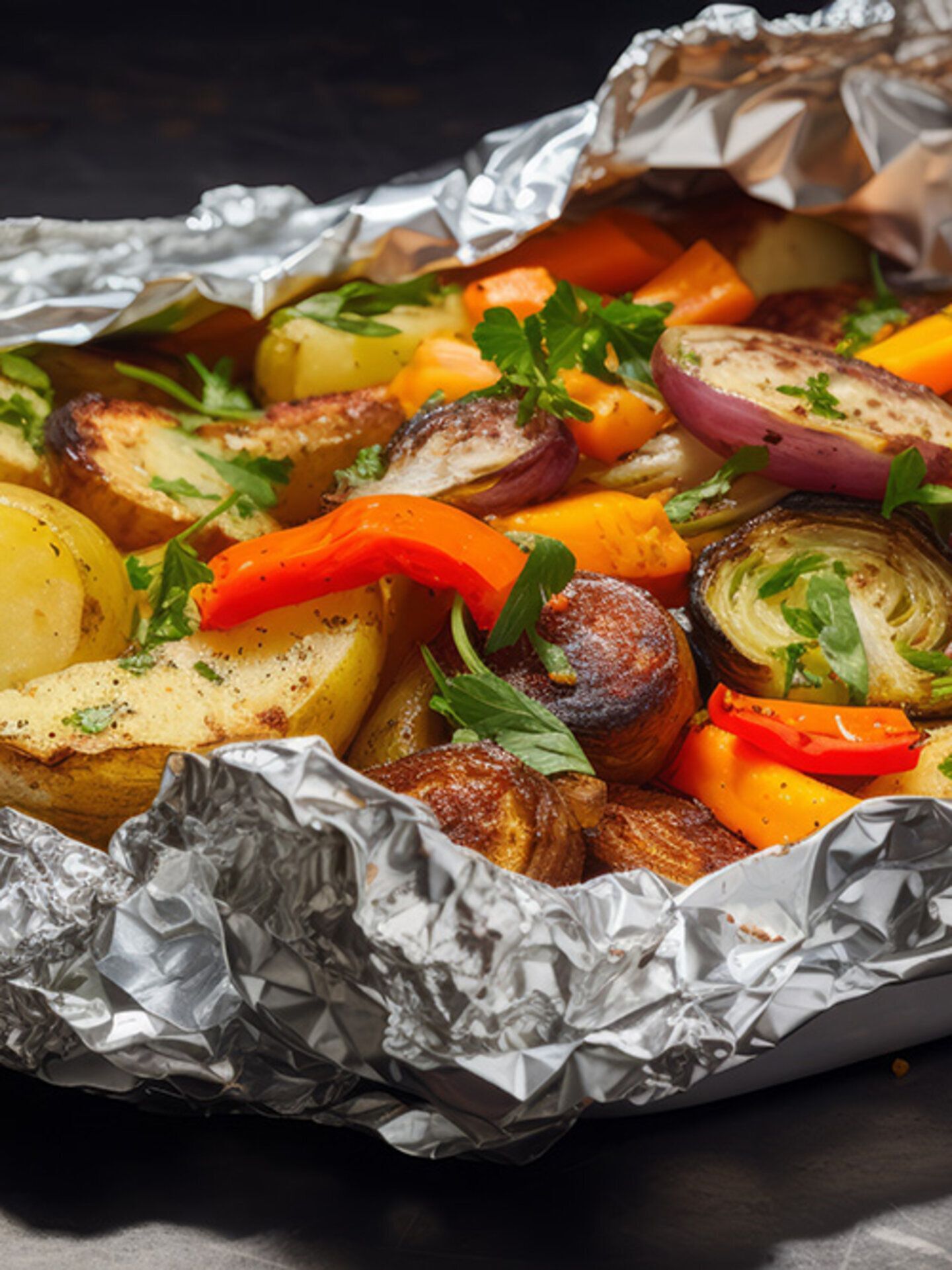
Trim the sprouts and cut them in half. Toss with olive oil, garlic, salt, and pepper. Arrange them cut-side down on a baking sheet and roast at 400°F until they're browned and tender, turning or checking them toward the end.
Finish with a squeeze of lemon.
The goal is crispy, caramelized edges with a tender center. Delicious!
Apple & Brussels Sprout Salad
For something fresh and crunchy, skip the oven altogether!
You'll need:
Thinly shaved Brussels sprouts
Thinly sliced apples
Toasted pecans or walnuts
Crumbled cheese, such as feta
A simple lemon vinaigrette
Toss everything together and let it sit for a few minutes so the dressing can soften the sprouts just a little.
This makes a fantastic fall salad—and it's a great way to use Brussels sprouts raw.
Simple Garlic Sautéed Brussels Sprouts
Sometimes simple is best.
Halve your Brussels sprouts and sauté them cut-side down in a little olive oil until golden brown. Add minced garlic toward the end, season with salt and pepper, and finish with lemon juice or a sprinkle of Parmesan.
Purdue Extension recommends sautéing halved Brussels sprouts until golden brown, making this a quick option for a weeknight side dish.
A Few Favorite Flavor Friends
Brussels sprouts love bold flavors, so don't be afraid to experiment!
Try pairing them with:
Lemon + garlic — bright and fresh
Bacon + maple — sweet, smoky, and savory
Apples + pecans — perfect for fall
Parmesan + breadcrumbs — crispy and comforting
Chili + honey — sweet with a little kick
Sesame + soy — a fun Asian-inspired twist
You can also toss roasted Brussels sprouts into pasta, grain bowls, tacos, soups, or warm salads.
The Bottom Line
Brussels sprouts may be small, but they have a lot going for them.
They're a cool-weather crop with a fascinating history, they grow in one of the most unusual ways you'll find in the vegetable patch, and they can go from humble little cabbage to crispy, caramelized superstar with just a little heat.
So the next time you see a pile of Brussels sprouts, don't think "not again."
Think "What can I make with these?"
Because these little green sprouts deserve a second chance.
From the Wolff Farms in Norfolk, NE to your kitchen, happy cooking!
Photo by Jodi Pender on Unsplash