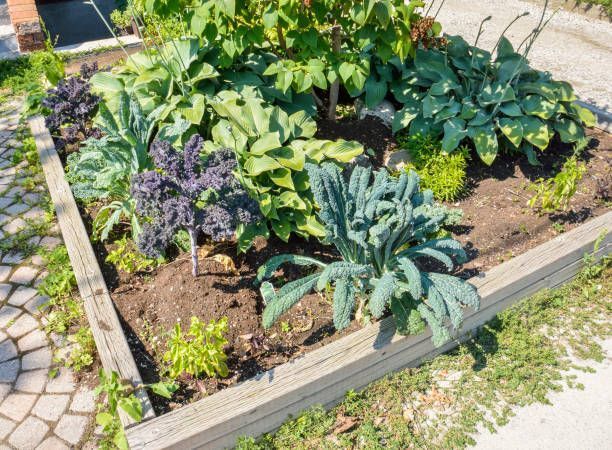
When I was first learning to do the Community Harvest pack, I was certainly green when it came to greens. A co-worker and lover of all things green, helped me out by giving me two important lessons. First, the best way to identify Kale (especially Lacinato Kale), is to find the leaf that looks like dinosaur skin. Secondly, Mustard greens are the spicy green and are easily identified with a taste test. This week we have Giant Mustard Greens from Benson Bounty in Omaha, NE and Lacinato Kale from Wolff Farms in Norfolk, NE. These flavorful greens are packed with vitamins, minerals, and versatility in the kitchen. Whether you enjoy them fresh, sautéed, or blended into soups and smoothies, they're a delicious way to add more greens to your meals. Keep reading to learn about these unique and local favorites!
Mustard Greens
A Brief History
Mustard greens are one of the oldest cultivated vegetables in the world. Originating in the Himalayan region of India over 5,000 years ago, they spread throughout Asia, Europe, and eventually North America. They belong to the same family as cabbage, broccoli, and Brussels sprouts and have long been valued for both their culinary and medicinal uses.
Flavor Profile
Mustard greens have a peppery, slightly spicy flavor similar to arugula or horseradish. Younger leaves tend to be milder, while mature leaves develop a stronger bite.
Storage Tips
Store unwashed greens in a plastic bag or container in the refrigerator.
Keep a paper towel inside the bag to absorb excess moisture.
Best used within 3–5 days for maximum freshness.
Wash just before using.
Easy Recipe: Garlic Sautéed Mustard Greens
Ingredients: 1 bunch mustard greens, chopped, 2 cloves garlic, minced, 1 tablespoon olive oil, Salt and pepper to taste
Directions: Heat olive oil in a large skillet. Add garlic and cook for 30 seconds. Add mustard greens and sauté until wilted, about 4–5 minutes. Season with salt and pepper and serve warm.
Lacinato Kale
A Brief History
Lacinato kale, often called Dinosaur Kale or Tuscan Kale, has been grown in Italy for centuries, particularly in the Tuscany region. Its dark blue-green leaves and rich flavor have made it a staple ingredient in traditional Italian cooking.
Flavor Profile
Compared to curly kale, Lacinato kale has a slightly sweeter, earthier flavor with a more tender texture. It holds up well in soups, salads, and sautés.
Storage Tips
Store unwashed leaves in the refrigerator.
Place in a loose plastic bag or produce container.
Use within 5–7 days.
Remove thick stems before cooking for the best texture.
Easy Recipe: Kale Chips
Ingredients: 1 bunch Lacinato kale, 1 tablespoon olive oil, Pinch of salt
Directions: Remove stems and tear leaves into pieces. Toss with olive oil and salt. Bake at 300°F for 15–20 minutes until crisp. Cool slightly and enjoy.
Why We Love These Greens
Mustard greens and Lacinato kale are excellent examples of how nutritious food can also be flavorful and versatile. Whether you're adding them to soups, stir-fries, salads, or smoothies, these greens offer a delicious way to bring fresh, seasonal nutrition to your table.
Happy cooking and enjoy this week's Community Harvest!