We’ve all heard it a thousand times: Breakfast is the most important meal of the day; but why is that true? Today, we’ll explore the importance of breakfast and find some simple ways to ensure we’re getting the most of our first meal of the day.
First off, why do I use “healthful” instead of “healthy?” Healthy, in my mind, indicates a direct link between the food and your health. And if some foods are healthy, that means there are foods which are unhealthy. That’s kind of what we’ve been taught, but truly, no food is unhealthy or healthy - what we do with that food can be healthy or unhealthy.
For instance, if I eat nothing but tomatoes, that’s unhealthy because I’m getting only the nutrients in tomatoes, which are plentiful but are not the complete range of nutrients that our bodies need. And a chocolate malt (high in fat and sugar, of course, but also has calcium and flavonoids, which we need) now and again is not unhealthy, because you’re also getting a variety of nutrients from your other foods in a balanced diet. But if that’s your beverage of choice every day, you probably won’t have as big an appetite for meals, meaning you’re missing out on a good variety of nutrients. So, what is actually healthy or unhealthy is your use of the food, not the food itself! However, ALL foods can be healthful when eaten in moderation and within a wide variety of foods eaten overall.
The importance of breaking your overnight fast with a well-balanced and nutritious breakfast is in the long list of benefits: refuels your body and provides sustained release of energy; better cognitive function (concentration, problem-solving, better attitude, tasks that require memory, increase productivity); lower risk of some chronic diseases; positive nutrition; healthier body weight; heart health, digestion, bone health – linked to consuming whole-grain breads and cereals, dairy foods, fermented foods like yogurt, whole fruits and the fiber and pre/probiotics they supply, and 100% fruit juice (fiber removed); positive effect on blood glucose regulation, insulin levels and fat metabolism; plus the social benefits of getting together with family and friends. Whew! All that from eating a regular and well-balanced breakfast? Yep!
Let’s unleash all those benefits by planning healthful breakfasts. So, what does a healthful breakfast look like?
1. Macronutrients and Micronutrients
It has all the macronutrients (nutrients needed in large [macro] supply, including carbs, fat, and protein) which provide a wide variety of micronutrients (vitamins and minerals, needed in small [micro] amounts);
2. Rainbow of Foods
It’s a rainbow of foods throughout the week (different colors of produce have specific-to-them micronutrients, so “eating a rainbow” of foods weekly helps to ensure that you’re getting a balance of those);
3. Dairy
It includes dairy (or a substitute like almond milk) like milk, cream, cheese, or yogurt;
4. Whole Fruits
Whole fruits (have fiber) or 100% fruit juice (fiber? not so much!);
5. Protein
For protein, it can include eggs, nut butter, nuts, and/or meat (keeping in mind that ham, bacon, and sausage are HIGH in sodium - moderation is key!).
Here are some suggestions for easy, nutrient-packed meals:
- Cereal topped with milk or yogurt, sliced banana, sunflower seeds or walnuts
- Granola and Greek yogurt topped with berries
- Breakfast smoothie (milk of any kind, whole fruit, dry oats, chopped nuts)
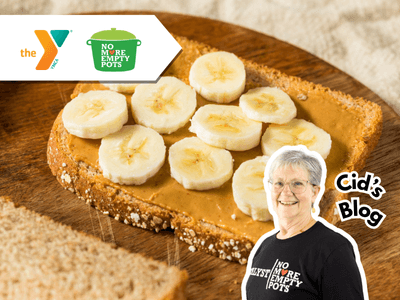
- Almond or peanut butter on whole-grain toast, topped with apple slices
- Banana dipped in yogurt and rolled in granola or nuts (or nutty granola!)
- Hard-boiled egg, whole wheat English muffin, side of fruit
I hope this information and these tips are useful to you and inspire you to step up your breakfast game!
Here is a link to a few recipes to get you started: Healthy Lifestyles- Healthful Breakfast Recipes.pptx
As always, send questions/comments to No More Empty Pots! I’d love to hear from you.
Meet Your Author
Cid Kelley, an Omaha native, is a Community Education Assistant at No More Empty Pots and a lifelong learner, too. Food Preservation is her latest learning mission; she says "nothing beats gifting and cooking with home-canned foods!" Cid's other passions include creating/providing adventures for 16 grandies, and living a life of healthful abundance with her partner, Will B, and their little dogs.
Comments? Questions? Email education@nmepomaha.org. We'd love to hear from you!