Few vegetables are as humble and as useful as the green onion. Crisp, fast-growing, and packed with flavor, green onions can turn a simple dish into something special. They are equally at home in a backyard garden, a kitchen window box, or scattered over a bowl of soup.
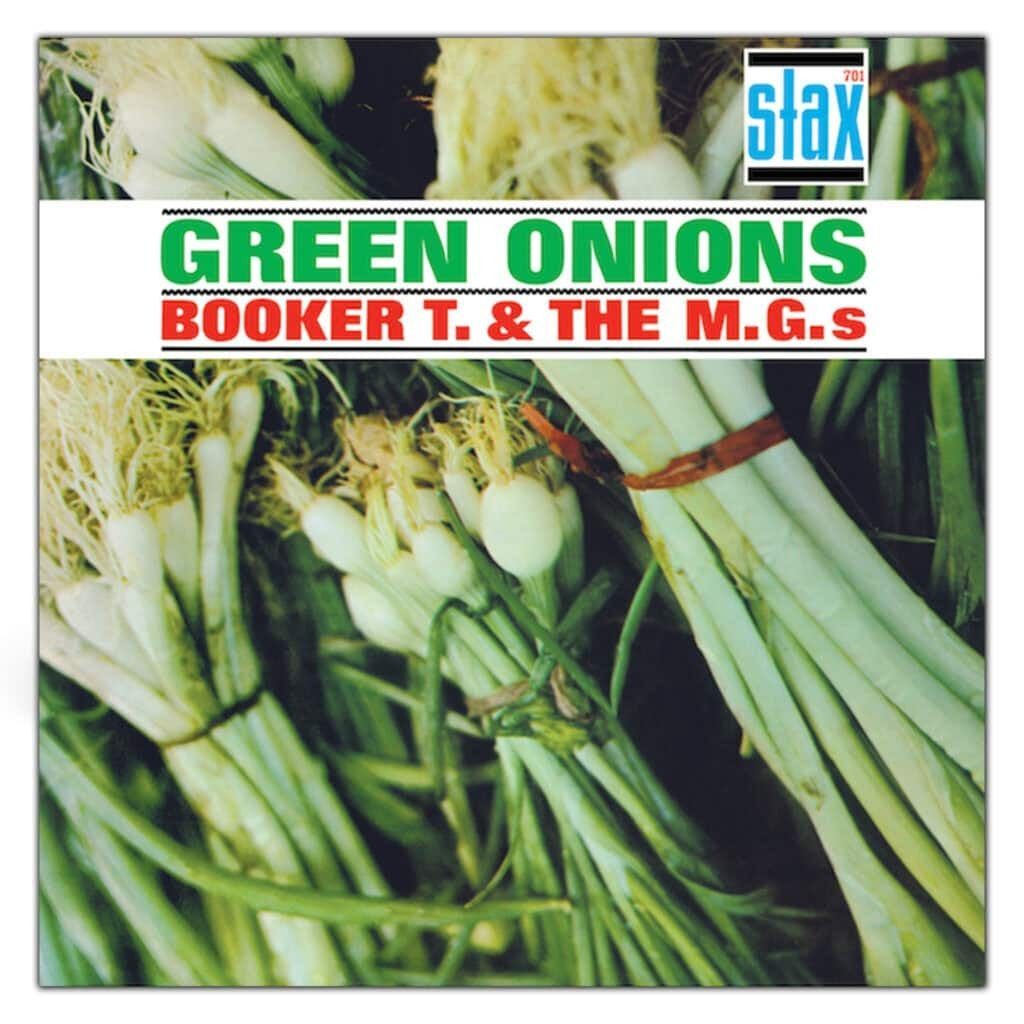
And green onions have an unexpected place in music history. In 1962, the legendary Memphis group Booker T. & the M.G.'s released the instrumental “Green Onions,” a song that became one of the most recognizable grooves of the era. The song reached No. 1 on the U.S. R&B chart and No. 3 on the pop chart.
So, what makes the real green onion so interesting?
A Little History
Green onions are young onions harvested before the bulb fully develops. They are often called scallions, although the terms can refer to slightly different plants depending on where you live. Iowa State University Extension notes that green onions can come from varieties grown specifically for their green tops or from ordinary bulb onions harvested young. True bunching onions, such as Allium fistulosum, do not form a traditional bulb.
Their appeal is simple: unlike a mature storage onion, almost the entire green onion can be eaten. The white portion provides a mild onion flavor, while the green leaves add a fresh, grassy bite.
Green onions are also wonderfully quick for gardeners. They can be grown from seed, sets, or transplants, and they can be planted throughout much of the growing season. Depending on how they are started, gardeners may harvest green onions in roughly 30–50 days.
And Then There Was the Song
The connection between the vegetable and the song is one of the great bits of popular-music trivia.
In 1962, musicians Booker T. Jones, Steve Cropper, Lewie Steinberg, and Al Jackson Jr. were at Stax Studios in Memphis for a recording session that didn't go as planned. They began jamming, and what started almost accidentally became the foundation of the band's first major hit.
The resulting instrumental featured Jones's Hammond organ, Cropper's guitar, Steinberg's bass, and Jackson's drums. Its infectious 12-bar blues groove became a defining example of the developing Memphis soul sound.
The title “Green Onions” was inspired by the vegetable itself and its association with being “funky”—a word that could describe both the music's groove and the strong smell of onions. The Stax Museum's historical materials specifically note the playful double meaning behind the title.
The song went on to become a landmark recording. It was added to the Library of Congress National Recording Registry in 2012 and has remained influential decades after its release.
In other words, green onions have both a garden story and a groove.
Growing Green Onions at Home
One reason green onions are such a great garden crop is that they don't require a lot of space.
Plant them in a sunny garden bed, raised bed, container, or even along the edge of another vegetable planting. They prefer loose, well-drained soil and can tolerate some shade.
For a continuous supply, consider planting a small row every couple of weeks rather than planting everything at once.
A simple growing plan:
- Prepare the soil. Loosen the soil and remove large rocks or debris.
- Plant seeds, sets, or transplants.
- Keep the soil consistently moist, particularly while the plants are getting established.
- Thin crowded plants if you want larger green onions.
- Harvest when they are pencil-sized or large enough for your kitchen.
- Plant again for another crop.
Green onions can be harvested young, so there is no need to wait for a large bulb. Purdue Extension recommends harvesting when plants are around six inches tall and about pencil thickness, although they can certainly be used at different sizes.
How to Store Green Onions
Freshly harvested green onions are best when they are crisp and firm.
For home storage, wrap them loosely or place them in a plastic bag with a damp paper towel, then refrigerate them. Purdue Extension recommends using refrigerated green onions within about a week for best quality.
For even better commercial-quality storage, green onions need very cold temperatures and high humidity. The UC Davis Postharvest Research and Extension Center reports that green onions stored around 32°F with very high humidity can remain fresh for considerably longer than they will in an ordinary home refrigerator.
Before using refrigerated onions, check the leaves. Discard portions that have become slimy, yellow, or badly wilted.
So Many Ways to Use Them
Green onions are one of those ingredients that can be used almost anywhere.
Fresh:
Slice them thinly and add them to salads, sandwiches, tacos, dips, baked potatoes, or avocado toast.
Cooked:
Add them to stir-fries, fried rice, soups, omelets, casseroles, and pasta dishes.
As a garnish:
A handful of chopped green onion can add color and a fresh onion flavor just before serving.
On the grill:
Whole green onions can be grilled until they develop charred edges and become tender.
In the garden-to-table kitchen:
Use the white portion when you want more onion flavor and the green tops when you want something lighter and fresher.
Iowa State Extension notes that the entire plant is commonly used, both raw and cooked, and that green onions are generally milder than mature dry onions.
So the next time you pull a bunch of green onions from the garden—or chop a few for dinner—put on “Green Onions” and appreciate the coincidence.
One vegetable. One legendary groove. And more than sixty years of history.